News Center
Ball Bearings in Automobiles: A Key Component for Efficient and Safe Vehicle Operation
2026-07-31
Ball Bearings in Automobiles: A Key Component for Efficient and Safe Vehicle Operation
As the automotive industry rapidly advances toward higher efficiency, intelligence, and electrification, bearings have become one of the most important basic components in vehicle systems. Among various bearing types, ball bearings are widely used in automobiles because of their simple structure, low friction, high-speed capability, and easy maintenance. They play a vital role in ensuring vehicle reliability, driving comfort, and long service life.
Main Applications of Ball Bearings in Automobiles
1. Wheel Hub Systems
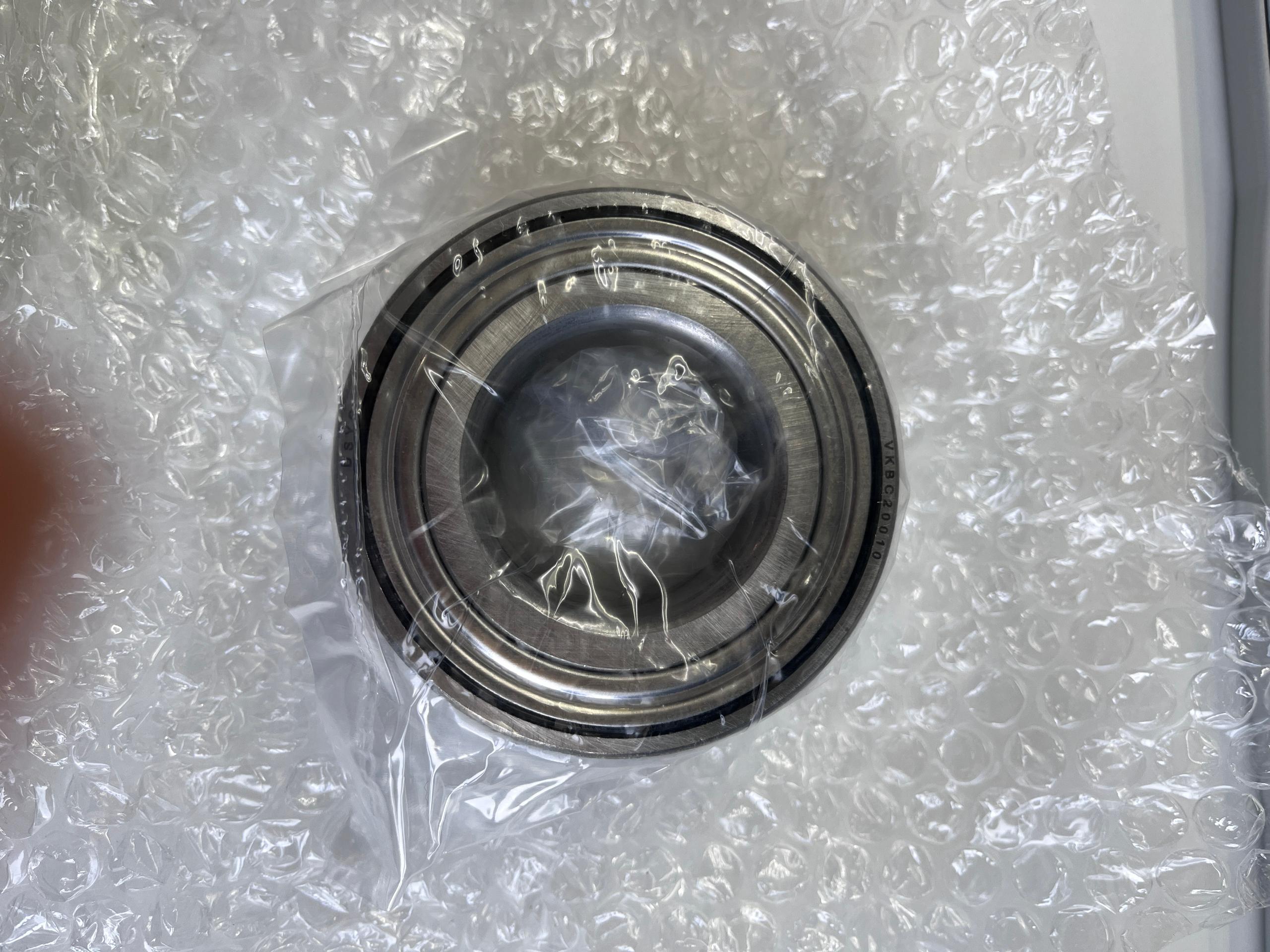
Wheel hub bearings are one of the most common automotive applications of ball bearings. They support both radial and axial loads generated during wheel rotation, ensuring smooth and stable wheel operation. Modern passenger cars widely use integrated hub bearing units, which improve assembly accuracy while reducing vehicle weight and maintenance costs.
Key advantages:
- High load capacity
- Excellent rotational accuracy
- Low noise
- Long service life
2. Engine Systems
In conventional internal combustion engine vehicles, ball bearings are extensively used in:
- Alternators
- Starter motors
- Water pumps
- Belt tensioners
- Idler pulleys
These components often operate continuously at high speeds, requiring excellent wear resistance, lubrication performance, and heat resistance. High-quality deep groove ball bearings help reduce mechanical losses and improve engine efficiency.
3. Transmission and Drivetrain Systems
Manual transmissions, automatic transmissions, and hybrid transmission systems all contain numerous ball bearings that support gear shafts and input/output shafts. By reducing rotational resistance, ball bearings contribute to smoother gear shifting and higher transmission efficiency, which helps improve fuel economy.
4. Air Conditioning and Auxiliary Systems
Automotive air-conditioning compressors, blower motors, and electric cooling fans also rely on ball bearings. Low-noise, high-speed bearings significantly improve cabin comfort and reduce operating noise.
Future Development Trends
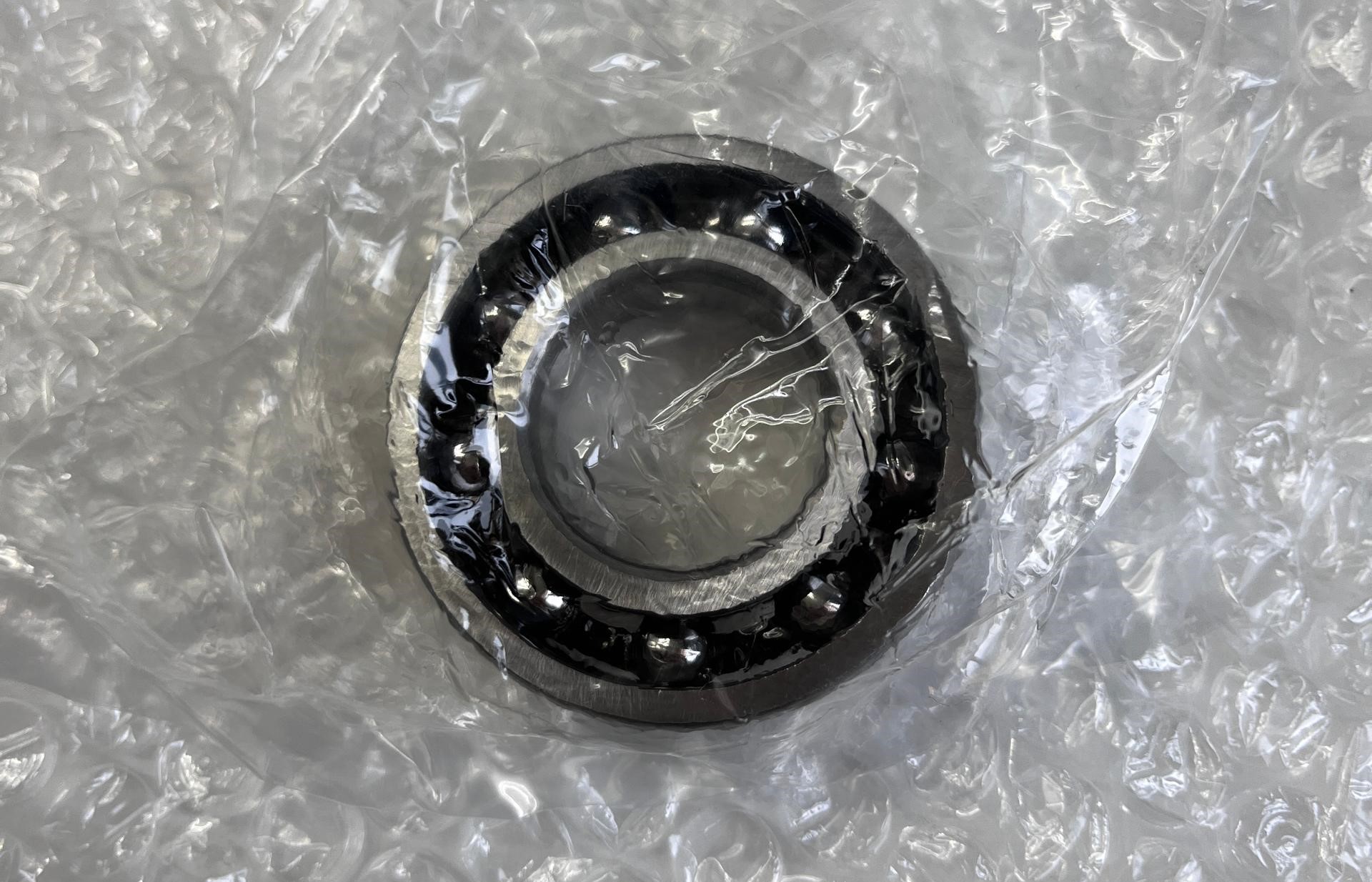
The future development of automotive ball bearings is expected to focus on the following areas:
- Lightweight design:Optimized structures and advanced materials to reduce vehicle weight
- Low friction:Reduced energy loss and improved fuel economy or EV range
- Extended service life:Improved materials and heat-treatment technology
- Smart bearings:Integration of temperature and vibration monitoring functions
- Green manufacturing: Environmentally friendly materials and energy-efficient production processes
Conclusion
Although ball bearings are relatively small components, they are essential to nearly every rotating part of a vehicle. From wheels to drivetrains, and from engines to electric motors, their performance directly affects vehicle safety, efficiency, and durability. As automotive technology continues to evolve, ball bearings will continue developing toward higher precision, greater reliability, lower energy consumption, and smarter functionality, providing strong support for the future of the automotive industry.
As a professional bearing manufacturer, Shandong DSYC Bearing Co., Ltd. remains committed to delivering high-quality and reliable bearing solutions for automotive customers worldwide through continuous technological innovation and strict quality control.