News Center
Open, ZZ, 2RS or 2RZ? A Practical Guide to Deep Groove Ball Bearing Seals
2026-11-05
Seal type is one of the most overlooked decisions in deep groove ball bearing selection—yet it directly determines bearing life and maintenance costs. Four configurations dominate the market: open, ZZ, 2RS and 2RZ. Each suits a different operating condition, and the wrong choice can mean premature failure or unnecessary expense.
1. Open Bearings: Simple, Fast, Low Cost
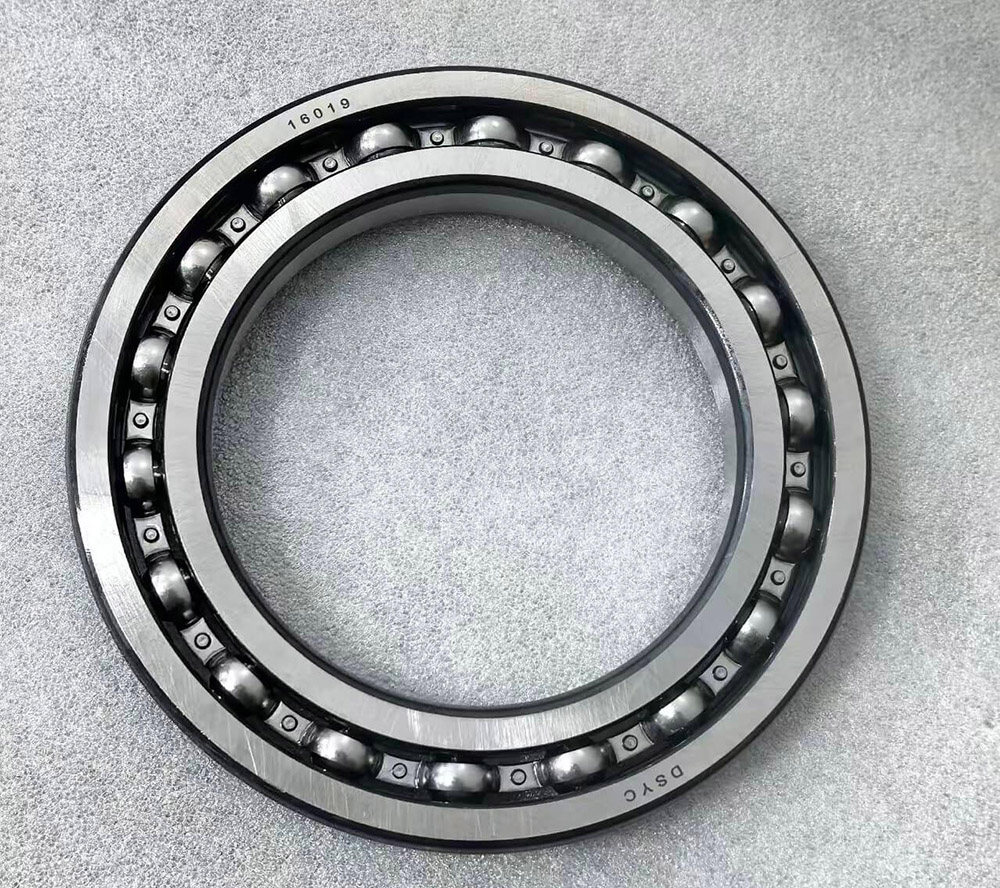
Open bearings carry no seals or shields. The design is simple, speed capability is high and cost is lowest—but grease can escape and dust or moisture can enter freely. Open bearings belong in clean environments or where external oil-bath or circulating-oil lubrication is available, such as gearbox internals, with the housing itself performing the sealing function.
2. ZZ Bearings: Dual Metal Shields
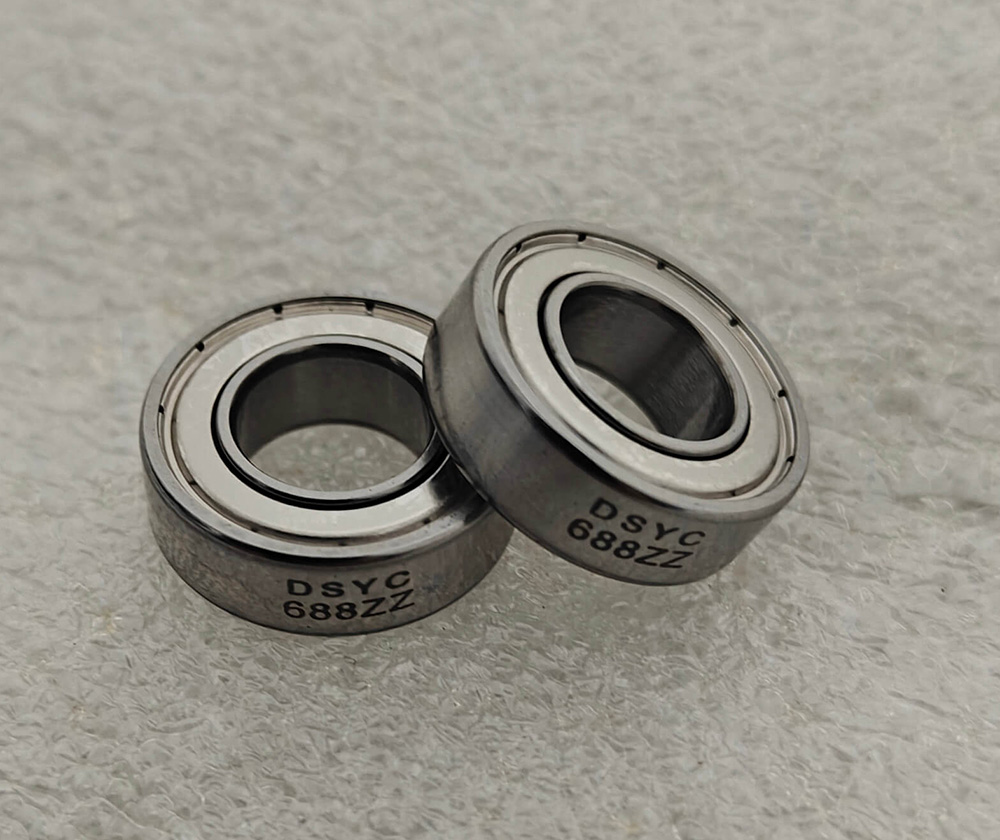
ZZ bearings, fitted with dual metal shields, block solid particles effectively while keeping friction low and high-temperature performance strong. They are the default choice for medium-speed, dust-protection duty in electric motors and fans. But metal shields are non-contact: protection against liquids and fine dust is limited, making them a poor fit for wet or heavily contaminated sites.
3. 2RS Bearings: Dual Rubber Seals
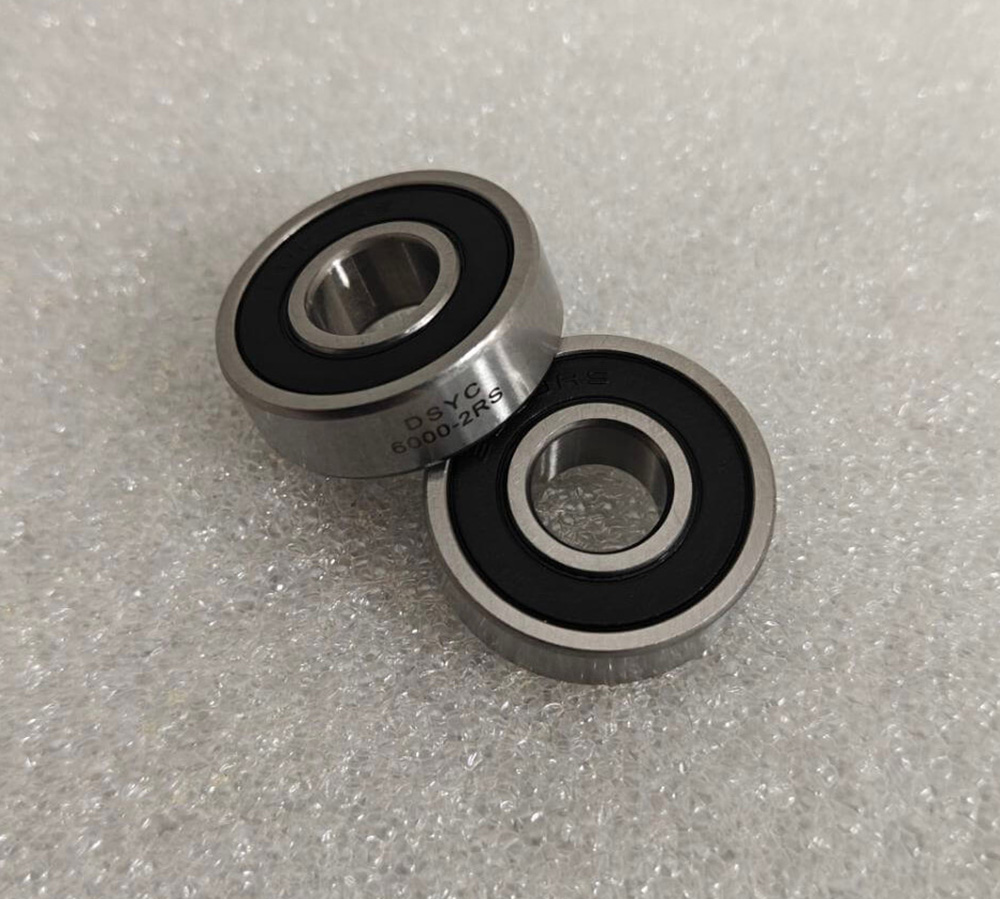
2RS bearings use dual rubber seals in contact with the inner ring, offering excellent dust and water resistance and reliable grease retention. The trade-off is higher friction torque and lower speed capability. Where conditions are wet, dusty or maintenance-free operation is required—water pumps, agricultural machinery, outdoor equipment—2RS is often the answer.
4. 2RZ Bearings: The Middle Ground
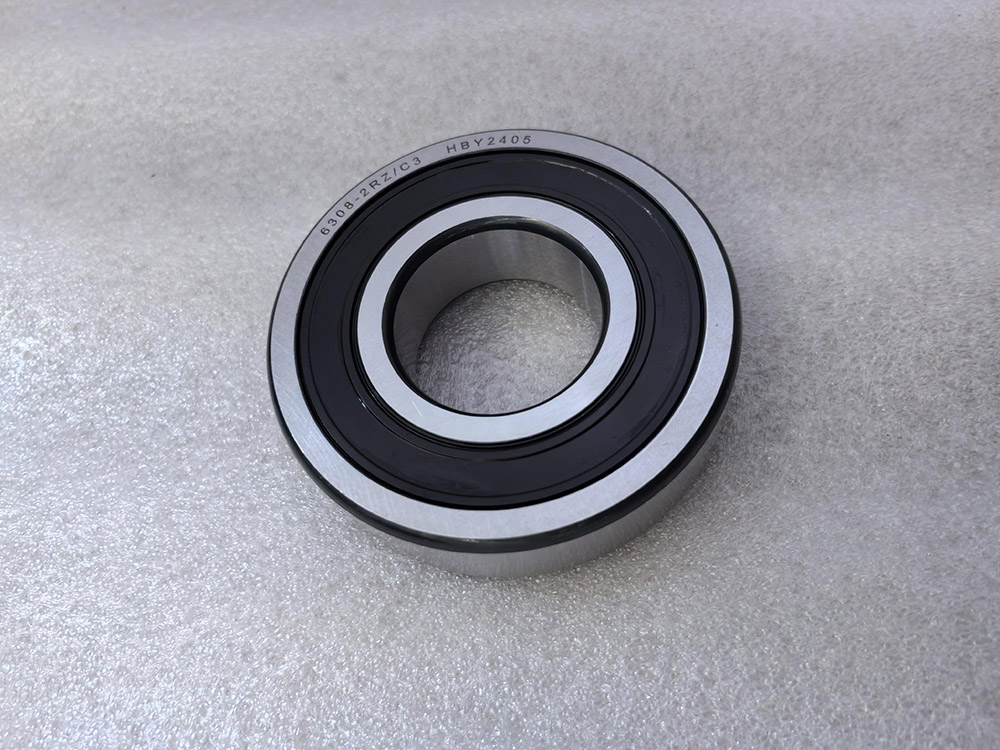
2RZ bearings sit between the two: the rubber seal maintains a small clearance from the inner ring, combining solid dust protection with lower friction and higher speed capability than 2RS. Household appliances and general industrial machinery with moderate dust-protection needs are typical applications.
5. Selection Logic
The selection logic is straightforward: open for clean, high-speed duty with external lubrication; ZZ for routine dust protection at medium speed; 2RS for harsh, wet or dusty environments; 2RZ where dust protection and speed must both be satisfied. Matching seal type to actual operating conditions is what balances bearing life, performance and cost.